Hyper-Personalization: Transforming Digital Marketing with Big Data and AI
In today’s digital world, consumers are overwhelmed with content. To stand out, businesses need to go beyond traditional marketing tactics and implement hyper-personalization through big data. This strategy allows companies to analyze customer behavior, preferences, and purchase history in real-time. As a result, businesses can create tailored experiences that boost engagement and drive conversions.
What Is Hyper-Personalization?
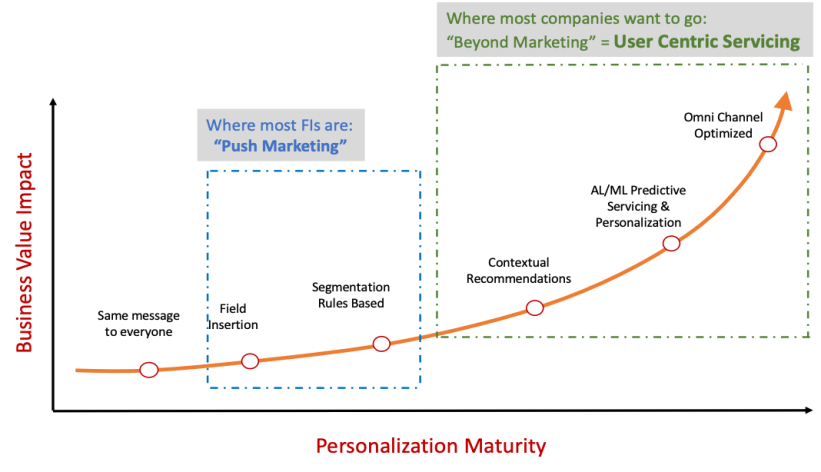
Hyper-personalization takes standard personalization to the next level. Instead of using simple demographic data, it relies on real-time analytics, artificial intelligence (AI), and machine learning to create highly relevant marketing messages. This ensures that customers receive content that matches their current interests and needs.
For instance, Netflix suggests shows based on what you’ve watched before, and Amazon recommends products based on your browsing history. These are great examples of how hyper-personalization enhances user experience.
Want to dive deeper into AI-driven marketing? Check out HubSpot’s guide to personalization.
How Big Data Powers Hyper-Personalization
Big data plays a crucial role in hyper-personalization by collecting and analyzing vast amounts of customer information. This data enables businesses to anticipate customer needs and deliver relevant content at the perfect time.
Here are some of the most effective big data tools that help businesses personalize marketing:
- AI-powered analytics – Identifies customer trends and predicts future behavior.
- Customer data platforms (CDPs) – Unifies customer data from multiple sources.
- Real-time tracking – Allows businesses to engage with users instantly.
For more on AI-driven analytics, read Google’s insights on machine learning in marketing.
Key Strategies for Implementing Hyper-Personalization
To make hyper-personalization work, businesses should focus on the following strategies:
1. AI-Driven Customer Segmentation
Instead of traditional segmentation, AI can group customers based on real-time behavior. This allows businesses to target each segment with precise, relevant content.
2. Personalized Product Recommendations
Brands like Amazon and Netflix use AI to suggest products based on past interactions. By analyzing customer purchase history, businesses can improve cross-selling and upselling opportunities.
3. Dynamic Email and Website Personalization
Using dynamic content, businesses can personalize emails and web pages for each visitor. This increases engagement and keeps users on the site longer.
Looking for email marketing best practices? Check out MailChimp’s personalization guide.
4. Omnichannel Personalization
Customers expect a consistent experience across multiple platforms—social media, websites, mobile apps, and in-store visits. By integrating data across these touchpoints, businesses can deliver a seamless and engaging experience.
The Benefits of Hyper-Personalization
Higher Engagement Rates – Personalized content captures attention faster than generic messages.
Increased Conversions – Offers that align with customer needs are more likely to convert.
Stronger Customer Loyalty – Customers feel valued, which leads to long-term retention.
More Efficient Marketing Spend – Targeted campaigns prevent wasted ad spend.
Challenges to Consider
Despite its benefits, hyper-personalization comes with challenges:
Data Privacy Concerns – Businesses must comply with GDPR and CCPA regulations.
Tech Infrastructure – Advanced AI tools are required to process real-time data.
Scalability – Managing personalized content at scale requires automation.
Case Study: AI-Powered Marketing in Action
A great example of hyper-personalization is Taco Bell and KFC’s parent company, Yum Brands. They used AI-driven email marketing to personalize offers based on customer purchase history, timing, and preferences. The result? A significant increase in customer engagement and revenue.
Final Thoughts
Hyper-personalization through big data is revolutionizing digital marketing. By leveraging AI, machine learning, and predictive analytics, businesses can create exceptional, personalized customer experiences. However, it’s essential to balance personalization with data privacy and ethical considerations.
Want to explore more strategies? Check out our guide on search engine marketing best practices.
Now is the time to embrace hyper-personalization and stay ahead of the competition! 🚀