How to Grow Your Small Business with Social Media Marketing in 2025
In the rapidly changing digital landscape, social media marketing for small businesses is proving more essential than ever. With the right strategies, small businesses can reach their ideal audience, build loyal customer bases, and drive significant growth. This guide outlines actionable ways to leverage social media marketing to grow a small business in 2025, covering strategies, tools, and best practices for measurable success.
1. Understanding the Role of Social Media Marketing for Small Businesses
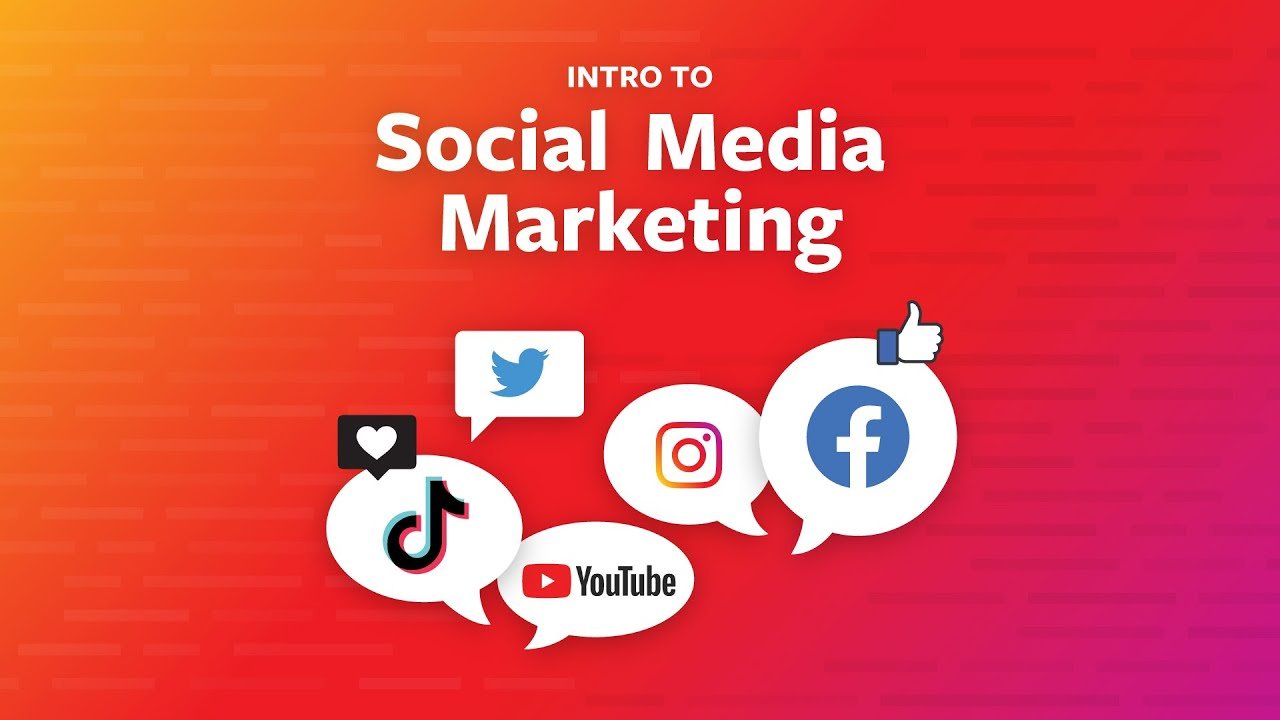
Social media platforms have evolved from simple networking spaces to powerful tools for business growth. For small businesses, social media marketing offers direct engagement with potential customers and the chance to build brand identity. In 2025, social media remains an affordable way to reach a vast audience, with platforms like Facebook, Instagram, LinkedIn, and TikTok continuing to gain popularity.
Benefits of Social Media Marketing for Small Businesses:
- Increased Brand Visibility: Platforms help amplify a brand’s reach beyond traditional advertising channels.
- Improved Customer Engagement: Direct interactions with customers help build trust and loyalty.
- Cost-Effective Advertising: Many social platforms allow for targeted ad campaigns, often with lower costs compared to traditional media.
- Insights and Analytics: Social media provides valuable data on customer behavior and campaign performance.
By leveraging social media, small businesses can connect with their audience in a more meaningful way, laying the foundation for growth.
2. Choosing the Right Platforms for Social Media Marketing in 2025
Not all social media platforms are suitable for every business. Choosing the right platform for social media marketing for small businesses depends on the target audience and business goals. In 2025, some platforms remain popular, while emerging ones may offer unique opportunities.
Key Platforms to Consider:
- Facebook: Ideal for building communities, especially with localized targeting for small businesses.
- Instagram: Highly visual, suited for businesses with strong visual branding (e.g., retail, lifestyle, art).
- LinkedIn: Beneficial for B2B marketing, professional services, and networking.
- TikTok: Short-form video content that’s great for brand storytelling and reaching a younger audience.
Small businesses should consider where their audience spends time online and focus on 1-2 platforms to maximize their resources effectively.
3. Developing a Content Strategy for Social Media Marketing Success
A well-thought-out content strategy is essential for social media marketing for small businesses. Posting consistently without a strategy may not yield desired results. Instead, focus on creating a mix of content that engages, educates, and entertains your audience.
Tips for Creating an Effective Content Strategy:
- Define Your Content Pillars: Choose 3-4 main themes relevant to your brand (e.g., product education, behind-the-scenes, customer stories).
- Plan a Content Calendar: A schedule allows for consistent posting and helps in planning campaigns around seasons, holidays, and industry events.
- Incorporate User-Generated Content: Encourage customers to share their experiences and tag your business, building social proof.
- Use Visuals and Videos: With short attention spans, images, and videos often perform better than text-based posts.
A focused content strategy helps ensure that each post resonates with your audience and aligns with your business objectives.
4. Leveraging Paid Advertising for Social Media Marketing for Small Businesses
Organic reach can be challenging on social media, especially on platforms with algorithm-based feeds. Paid social media advertising allows small businesses to expand their reach and target specific demographics effectively.
Key Advertising Tips:
- Set Clear Objectives: Decide if the goal is to increase brand awareness, drive website traffic, or generate leads.
- Use Targeted Ads: Platforms like Facebook and Instagram allow for precise audience targeting based on location, interests, and behavior.
- A/B Test Ad Content: Experiment with different visuals and ad copy to see what resonates best with your audience.
- Monitor and Optimize: Continuously track ad performance, adjusting campaigns based on metrics like engagement and conversion rates.
For small businesses, a modest budget on social media ads can have a significant impact when properly targeted and monitored.
5. Engaging with Followers to Build a Loyal Community
Social media marketing for small businesses is not just about broadcasting messages but engaging with followers to foster a loyal community. Customer engagement builds trust, encourages repeat business, and helps with word-of-mouth referrals.
Steps to Increase Engagement:
- Respond Promptly to Comments and Messages: Timely responses make customers feel valued and heard.
- Use Interactive Content: Polls, quizzes, and Q&A sessions increase engagement and provide insights into customer preferences.
- Showcase Customer Stories: Sharing testimonials or featuring customers on your social media gives followers a sense of community.
- Host Giveaways and Contests: These tactics boost engagement and attract new followers, especially if you encourage tagging friends or sharing content.
When customers feel connected to a brand, they are more likely to engage, recommend, and stay loyal.
6. Analyzing and Adjusting Your Social Media Strategy
Regularly analyzing your social media performance is crucial to understanding what works and what doesn’t in social media marketing for small businesses. Social media insights offer data on audience demographics, engagement rates, and top-performing content.
Tools and Metrics to Track:
- Engagement Rate: Likes, comments, and shares indicate how well content resonates with the audience.
- Follower Growth: Track changes in follower numbers to gauge brand interest and reach.
- Website Traffic: Use analytics tools to measure how much traffic social media drives to your website.
- Conversion Rate: Track the number of leads or sales generated from social media.
By regularly analyzing data and adjusting strategies, small businesses can optimize their social media presence and improve ROI.
7. Staying Updated with Social Media Trends in 2025
Social media is constantly evolving, with new trends shaping how businesses reach audiences. In 2025, small businesses should keep an eye on trends like short-form video, live streaming, social commerce, and augmented reality (AR) integrations.
Key Trends to Watch:
- Social Commerce: More platforms now offer integrated shopping experiences, allowing customers to buy directly within the app.
- Augmented Reality (AR): AR filters and features engage users and create unique experiences with the brand.
- Short-Form Video: TikTok-style short videos are still highly popular and effective in reaching younger audiences.
- Influencer Partnerships: Collaborations with micro-influencers allow small businesses to reach niche audiences cost-effectively.
Staying adaptable and incorporating relevant trends can keep small businesses competitive and appealing to their target audiences.
Conclusion: Making the Most of Social Media Marketing for Small Businesses in 2025
Social media marketing remains a powerful tool for small business growth, and by 2025, its role is only expected to increase. By following these strategies—choosing the right platforms, creating a content strategy, leveraging paid ads, engaging followers, analyzing performance, and staying updated on trends—small businesses in Pakistan and beyond can reach new heights.
For more tips on building an online presence, check out this Comprehensive Guide to Digital Marketing for Small Businesses.